
From Mandawe to Madiba’s side: Linda Zama’s journey of Ubuntu leadership
Described as a leadership manual for ‘the young and old in a fast-changing and unpredictable world’, the book distils what she learned at close range into lessons anyone can apply, regardless of their circumstances.
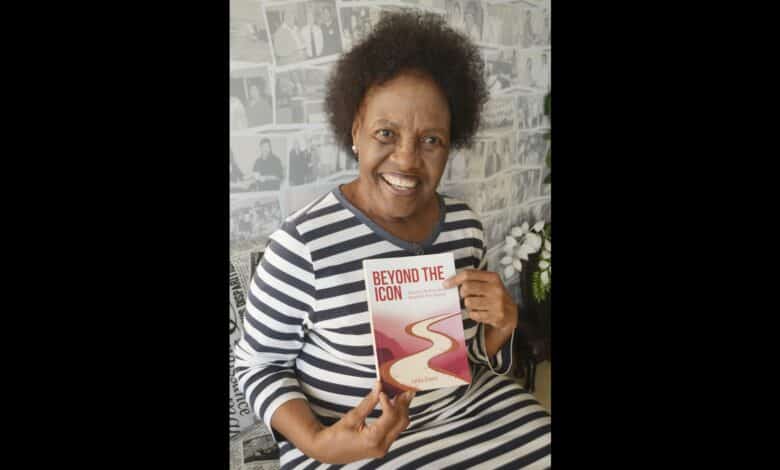
Long before she became an author, Linda Zama was a barefoot child in rural Mandawe, south of Durban in KwaZulu-Natal, in a home where education was treasured precisely because it was hard-won.
That upbringing set her on a path to law, and eventually, to the side of one of history’s most consequential leaders.
Zama holds a BA and an LLB, and by the 1980s she was a young lawyer building a name for herself on some of the era’s most high-profile human rights cases. It was in that capacity that she first began working closely with Nelson Mandela – affectionately known as Madiba – while he was still in prison, assisting with legal matters during one of the most difficult chapters of South Africa’s history.
When Mandela was released, the working relationship did not end – it deepened.
He continued to entrust Zama with meaningful responsibilities, including helping to drive his schools and clinics projects in under-resourced communities, work that placed her at the intersection of law, leadership, and grassroots development at a pivotal moment in the nation’s transition.
It is those years – the quiet, unglamorous work behind the public statesman – that eventually became the seed of her book, Beyond the Icon.
ALSO READ: Author launches book of Mandela poems
Described as a leadership manual for ‘the young and old in a fast-changing and unpredictable world’, the book distils what she learned at close range into lessons anyone can apply, regardless of their circumstances.
At its heart is the philosophy of Ubuntu: ‘I am because you are’. Zama says it was this value, more than any political strategy, that guided Mandela even through his most personal trials. Despite everything he endured, she notes, he never lost sight of Ubuntu, and it was this grounding that allowed him to champion peace and forgiveness as the leader of a country still reckoning with the wounds of institutionalised racial segregation and inequality.
For Zama, that is the real lesson of Mandela’s life: a refusal to be limited by external conditions. ‘Beyond the Icon’ is her attempt to translate that refusal into a leadership framework anyone can use – whether they are running a household, a classroom, a business, or a country.
Her hope for readers is simple but ambitious: that each person will be reminded they can make a difference by refusing to be inward-looking.
There are, she insists, always positives to be found and contributed – far beyond whatever limitations we perceive for ourselves.
In telling her own story alongside Mandela’s, Zama offers Mandawe – and readers everywhere – a reminder that leadership is not reserved for icons. It is built, brick by brick, in the choices ordinary people make to serve others despite their own constraints.