
Celebrating fathers who rolled up their sleeves to rebuild futures and heal the broken-hearted
At Girls and Boys Town South Africa (GBTSA), Father's Day offered a chance to reflect on the profound role fathers and father figures played in shaping the lives of children and young people.
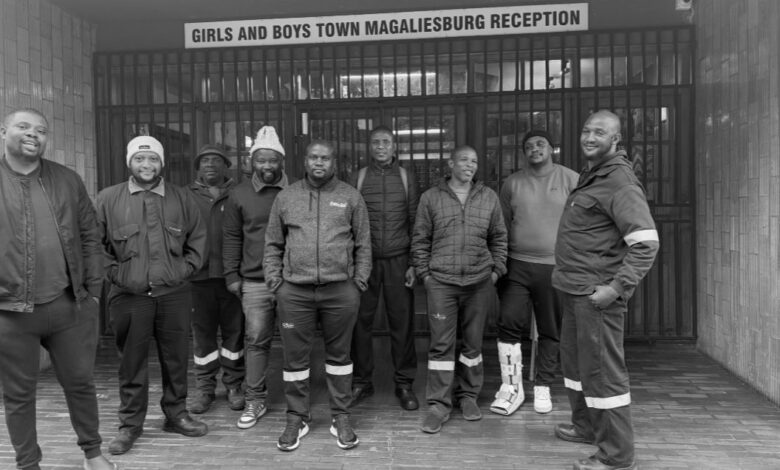
Father’s Day provided an opportunity to recognise and celebrate the profound influence that fathers and father figures had in shaping the lives of children and young people.
This year, as we celebrated fathers who rolled up their sleeves to rebuild futures and heal the broken-hearted, we paid tribute to the men who chose to stand in the gap for young people, offering guidance, stability, compassion, and encouragement when it was needed most.
Through their unwavering presence and commitment, they helped restore hope, build resilience, nurture confidence, and remind young people that their future remained full of possibility.
“At Girls and Boys Town South Africa (GBTSA), Father’s Day offered a chance to reflect on the profound role fathers and father figures played in shaping the lives of children and young people. At Girls and Boys Town South Africa (GBTSA), we saw every day how the presence of caring, committed men helped restore hope, rebuild confidence, and create pathways to brighter futures,” said Karen Farred, CEO of GBTSA.
This year’s Father’s Day theme, ‘Fathers: Guiding Strength and Building Futures’ resonated deeply with their work.
“Across our programmes, many of the children and youth we supported had experienced significant challenges, including family breakdown, neglect, trauma, and loss. For them, positive adult role models became powerful sources of stability and encouragement,” added Farred.
ALSO READ: Hope has arms that carry the future
Joseph Tshabalala, a child and youth care worker and family teacher working at the Family Home for boys, stated that it was knowing that every young person deserved someone who believed in them and supported them.
“Being present, consistent, and caring could make a significant difference in their lives,” he shared.
His colleague, Thabiso Lebitsa, senior child and youth care worker supervising CYCWs at Family Homes, echoed this sentiment, describing fatherhood as ‘being the adult who did not walk away, a man who remained present, showed respect and set boundaries’.
These qualities were often what vulnerable young people needed most. Through mentorship, encouragement, and positive role modelling, caring adults helped create an environment in which healing and personal growth could take place.
The impact of this support was often seen in the transformation of young people over time. Sifiso Manzi, senior child and youth care worker, reflected on the moment he recognised the significance of his role.
Manzi said, “I realised my presence could change a young person’s future when they started applying the skills we taught them and we received positive feedback from home and school.”
Such moments reminded us that meaningful change did not happen overnight. It was built through patience, trust, and consistent support from adults committed to helping young people reach their full potential.
Supporting young people through emotional pain required patience, empathy, and active listening. Thabiso Lebitsa continued, “By listening, understanding their feelings, and being fully present without distraction.” Others emphasised encouraging healthy coping strategies and seeking professional support when needed.
His words reflected an important lesson for all fathers and father figures. In a world where young people faced increasing social and emotional pressures, simply being available and engaged made a profound difference.
“As we celebrated Father’s Day, we were also reminded that June was recognised globally as Men’s Mental Health Awareness Month. While fathers and father figures were often expected to be strong providers and protectors, they too needed support, understanding and spaces where they could prioritise their own well-being,” Farred added.
Strong fatherhood was not defined by perfection. Rather, it was demonstrated through presence, commitment and active involvement in a child’s life. As Peter Leeuw, a GBTSA staff member, put it: ‘Strong fatherhood means being present, available and active in a child’s life’.
The positive influence of fathers and father figures extended beyond individual families. It helped build stronger communities, promoted healthier relationships and contributed to the development of resilient young people who were equipped to navigate life’s challenges.
“This Father’s Day, we honoured every father, mentor, caregiver and role model who chose to remain present in the lives of young people. Their guidance, compassion and commitment left a lasting impact that extended far beyond today. Fatherhood is one of the most powerful roles a man can hold. It shapes identity, restores hope, and rebuilds futures. We must not only celebrate fathers for what they give but also honour them for what they carry. Their mental health matters, their presence matters, and their wellbeing is essential to the healing of our society,” Farred concluded.