
Animal cruelty cases on the rise across the North Coast
The recent shooting of a vervet monkey in Everest Heights, Tongaat, has once again highlighted growing concerns over animal cruelty in Phoenix and surrounding areas, with animal welfare activists warning that incidents are becoming increasingly severe and frequent.
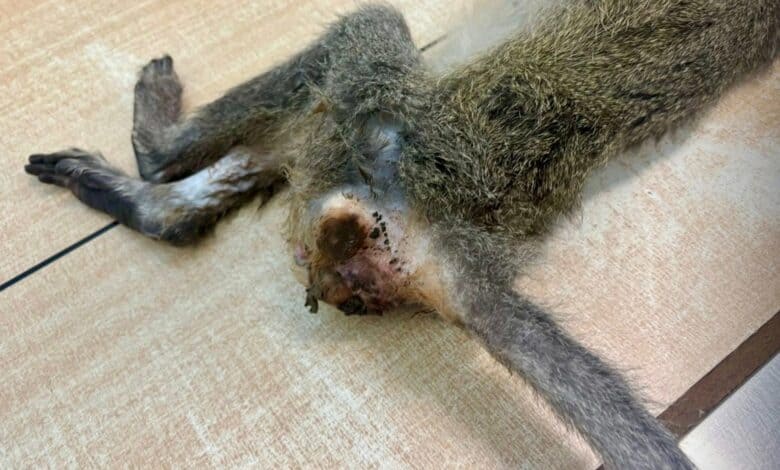
Communities along the North Coast have been left shocked and outraged after several monkeys were found shot dead or injured in the Everest Heights area, while the person responsible remains unidentified and still at large.
The recent shooting of a vervet monkey in Everest Heights, Tongaat, has once again highlighted growing concerns over animal cruelty in Phoenix and surrounding areas, with animal welfare activists warning that incidents are becoming increasingly severe and frequent.
The female vervet monkey was rescued after being discovered injured on a residential property in Everest Heights on June 17.
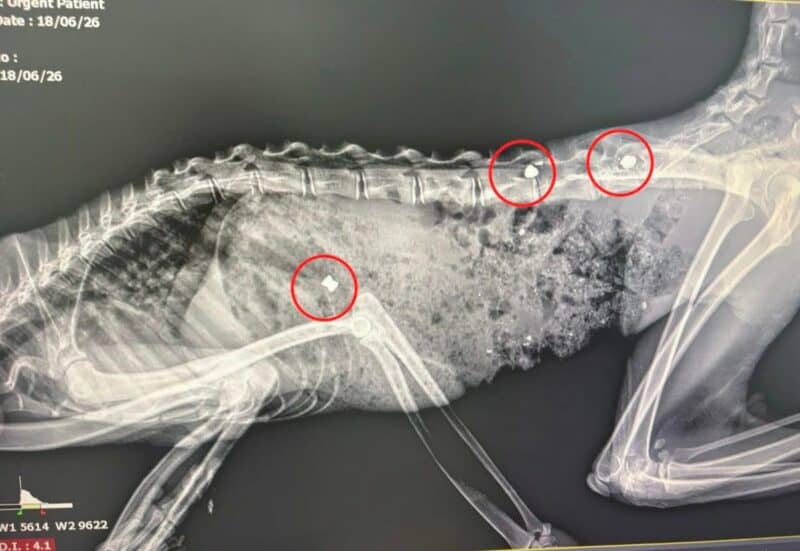
According to Reaction Unit South Africa (RUSA), the animal was transported to wildlife rehabilitator, Lindy Elmes of Wildlife Rescue for assessment and treatment. Veterinary examinations and X-rays revealed that the monkey had been struck by three pellets.
ALSO READ: Horrific sight after dog found with chain ripping into neck
Two of the pellets had lodged in its spine, causing paralysis and a ruptured bladder. Due to the extent of the injuries and poor prognosis, the monkey was humanely euthanised.
Days later, on Monday, June 22, another dead vervet monkey was discovered on a property on Himalaya Drive in Everest Heights. RUSA officers responded after a homeowner noticed the animal lying on the roof of a house.
Upon examination, officers established that the monkey had sustained a gunshot wound to the upper left side of its body and had died before their arrival.
According to the homeowner, this was the fourth monkey found dead on the property under similar circumstances.
While it remains unclear whether the incidents are connected, the discovery has heightened concerns among residents and animal welfare advocates about a possible pattern of violence against wildlife in the area. However, this is not the only case of animal cruelty that was reported.
Earlier this month, a pregnant cow was shot and killed near the intersection of Cardham Drive and Kiddsbrook in Brookdale, allegedly by an intoxicated individual. According to a witness who resides in the area, the man was driving a vehicle when he reportedly collided with the animal.
After assessing the damage to his vehicle, he allegedly used a firearm in his possession to shoot and kill the injured cow. It was later alleged that the firearm belonged to his wife.
Provincial police spokesperson, Colonel Robert Netshiunda, confirmed that the man had been arrested. “A 43-year-old man has been arrested in terms of the Animal Protection Act following an incident in which a cow was allegedly shot on May 31, 2026, in Phoenix. He appeared in the Phoenix Magistrates Court on June 15, 2026, and the case was postponed to August 3,” said Col Netshiunda.
These are just some of several recent cases of animal abuse reported across northern KwaZulu-Natal, prompting concern from animal rights activists and welfare organisations.
Animal rights activist, Shabnam Baran said those working on the front lines are witnessing a disturbing increase in acts of cruelty against animals.
“As someone on the front lines every day, it is devastating to see these acts of violence becoming increasingly frequent,” said Baran.
She believes the rise is being driven by a combination of factors, including growing desensitisation to violence, inconsistent enforcement of animal welfare laws, socio-economic pressures, and the use of cruelty as a means of gaining attention or ‘clout’. Baran said welfare organisations regularly encounter a wide range of abuse cases.
“We see everything from severe neglect, where animals are denied food, water and shelter, to deliberate acts of violence such as beatings, shootings and even dogs being burned with boiling water to prevent them from mating,” she explained.
While increased public awareness and social media exposure have brought many incidents to light, Baran believes the problem extends beyond improved reporting.
“Cruelty has always existed, often hidden behind closed doors. However, we are now in an era where social media and increased community vigilance mean that cases which once went unnoticed are being documented. That said, the severity of the incidents we are responding to indicates that the aggression itself is becoming more brazen.”
A major challenge, according to Baran, is the lack of public awareness regarding animal welfare legislation.
“Most people do not realise that the Animals Protection Act is a binding piece of legislation. Many are unaware that they have a legal obligation to provide even basic care, including veterinary attention. Until the public understands that cruelty is a criminal offence, people will continue to believe they can treat animals without consequence,” she said.
Although South Africa’s animal protection laws are comprehensive, Baran believes enforcement remains inadequate.
“The law itself is clear, but its enforcement is where we face our biggest hurdles. We need faster prosecution, stronger sentencing and better cooperation between the SAPS, municipalities and welfare organisations. Offenders should also be declared unfit to own animals where appropriate,” she added.
Baran emphasised that communities play a critical role in combating animal abuse.
Baran said, “Residents must become upstanders rather than bystanders. Never assume someone else will report an incident. Even small pieces of evidence such as dates, locations, photographs or videos can assist authorities and welfare organisations in building successful cases.”
She also highlighted the importance of educating young people about responsible pet ownership and compassion towards animals. Through her work with Stray Paws, Baran said she has seen firsthand how education can transform attitudes.
ALSO READ: Metro Police promises harsh consequences for animal abusers
“We lead by example, demonstrating compassion and care for all animals. We’re not just teaching children to be nice to animals, we’re cultivating empathy and responsibility that can help break the cycle of cruelty for future generations.”
Baran concluded with a strong message for the public, authorities and pet owners.
“Your silence is a choice. Every time you walk past an animal in need and do nothing, you are inadvertently normalising the abuse. To authorities, we need partnership, not just policy. To pet owners, an animal is a lifetime commitment, not an accessory. If you are struggling to care for your pet, seek help before the situation becomes a crisis,” she concluded.