Reviving kavady at the historical Cato Manor Hindu Temple
Residents of Bellair, Mayville and Cato Manor, who live on roads such as Aum Road, Bank Road, Bellair Road, Blinkbonnie Road, Bonela Road, Calder Road, Cliffview Road, Delhi Avenue, Dromore Road, Dunbar Road, Gauthumma Road, Hawthorne Road, Kalanden Road, Molver Road, River Road, Wiggins Road, Trimborne Road and Standard Road, visited the temple regularly for spiritual solace.
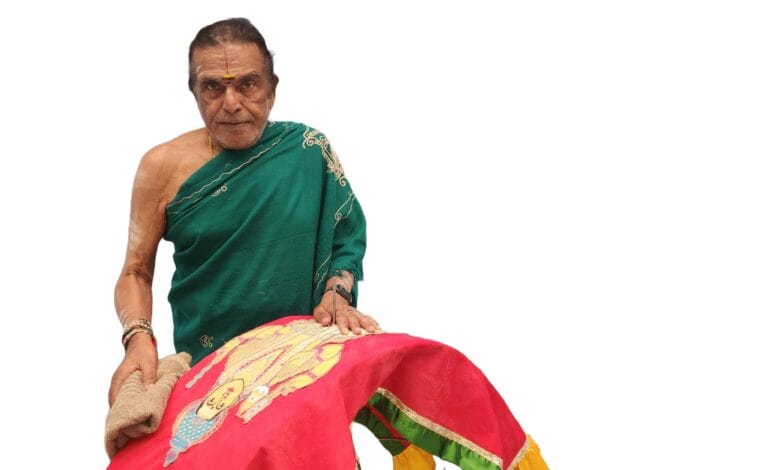
The Cato Manor Hindu Temple in Bellair Road calls upon the sons and daughters of its once-vibrant community to return to the temple this year and carry the kavady, not only as an offering, but as a living tribute to the forebears who once walked these sacred grounds with devotion.
Thanigasala Gurukkal, the spiritual head of the almost 100-year-old temple, popularly known as the First River Temple, said several decades ago, former residents of the Cato Manor area carried the kavady at the temple with faith and dignity, even as their homes and lives were torn apart under the harshness of the Group Areas Act.
Residents of Bellair, Mayville and Cato Manor, who live on roads such as Aum Road, Bank Road, Bellair Road, Blinkbonnie Road, Bonela Road, Calder Road, Cliffview Road, Delhi Avenue, Dromore Road, Dunbar Road, Gauthumma Road, Hawthorne Road, Kalanden Road, Molver Road, River Road, Wiggins Road, Trimborne Road and Standard Road, visited the temple regularly for spiritual solace.
ALSO READ: Historic Verulam temple in urgent need of funds for renovation
When Cato Manor was officially proclaimed a ‘Whites only’ area under the notorious law that segregated residential and business areas in accordance with skin colour, more than 100, 000 residents were forcibly uprooted from their homes. Thanks to representations made by the South African Indian Council, the temple was saved from being reduced to rubble.
For many years after the residents of Cato Manor moved out, mainly to Chatsworth and Phoenix, they returned to the temple each year to carry kavady. However, with time, most of the former residents passed away, and their descendants have not followed in the tradition of their forebears.
“I appeal to the descendants of former residents of Cato Manor to return to the temple to carry kavady, which is more than a ritual. It is a remembrance. It is the heartbeat of tradition echoing across generations. It is a way to honour those who came before us, whose sacrifices and prayers still linger in the walls of this temple that has stood for some many generations as a beacon of resilience and faith. By lifting the kavady, you lift the weight of memory, of family, of community. You ensure that the legacy of Cato Manor’s people – uprooted by apartheid but never forgotten – continues to live on. In every step, in every offering, the spirit of our forebears is respected, upheld, and carried forward into the future,” said Gurukkal, who was the first and longest-serving priest to be brought to South Africa from Sri Lanka at a time when India imposed cultural sanctions against South Africa in its opposition to racism.
The Cato Manor Hindu Temple will host its 94th annual Thaipoosam Kavady festival, commencing with daily prayers from January 24, 2026, and culminating with the main prayer on Sunday, February 1, 2026.
Unlike most other temples that charge a stipulated fee for the kavady, the Cato Manor Hindu Temple has decided to leave it to devotees to voluntarily make a donation. For more information, call Rajan Govender on 084-499-1223.