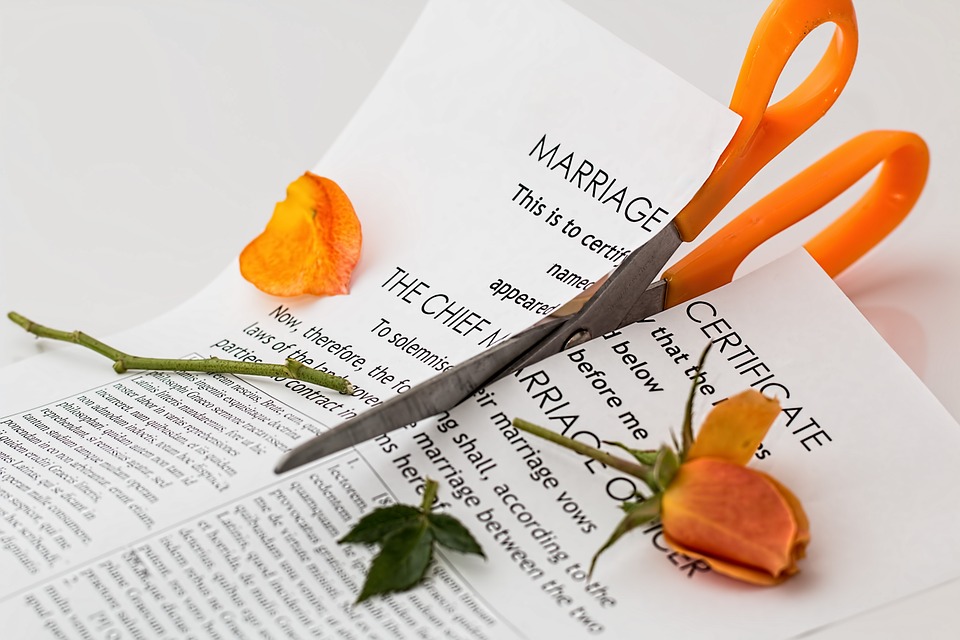
The kids are listening! The kids are watching! The kids will later in their life imitate your behaviour. We want the very best for our children, but time and time again I’ve seen children hurt to the core when their parents go through a divorce. What happens to our children in the aftermath of divorce?
Most couples enter marriage firmly believing that this is ‘happily ever after’. They will build a life and family together, they will watch their kids grow and become adults themselves, they will grow old together and they will travel the world and retire together having a lifetime of happy memories.
Unfortunately, in 53 percent of all marriages, this ideal scenario does not play out as expected. For this 53 percent, there are unmet expectations, arguments, frustration and eventual divorce.
This is the result of us planning massive weddings but neglecting to plan the marriage. We do not take the time to learn how to communicate on a deeper level and get our needs met.
We do not learn how to resolve conflict when it occurs. So, when the marriage breaks down, we are equally unequipped to deal with all the emotions and hurt involved in disentangling our lives, losing our home and most of all losing the dream of ‘happily ever after’ and admitting failure.
So, in the midst of all the overwhelming events, the kids are often left to deal with their emotions and feelings of insecurity all on their own.
Their world is also crumbling. They are often told to go to their rooms when mum and dad are fighting again, but sound travels through the walls. They sense the anger and bitterness and are terrified.
What I’ve also seen time and time again is that even after the divorce and parents are living separately, they use the children to hurt the other parent and although this may be done unconsciously, it is devastating for the kids. One or both parents badmouth the other parent.
The kids are forced to choose and are even reprimanded for wanting to spend time with the other parent. Some parents use their children as a bargaining tool to get the other parent to comply with their expectations. Often the extended family gets involved in insulting the other parent.
This is really sad and totally avoidable. It starts with us being aware of our own behaviour. Our children, especially in the first seven years of their life, unconsciously take on the beliefs, words and actions of the adults around them.
Later in life, one of two things will happen. Either they will then act from the same set of beliefs and words that they heard, or if they are living more consciously, they will make a decision to be the opposite of their parents.
Some of them will grow up and never want to get married. Some will treat their partners badly because that was the example they witnessed. Some will allow their partners to treat them badly because they identified with the parent being abused.
Is this the future we really want for our kids? We can turn this around by becoming more aware of our own behaviour and words.
We can end a marriage consciously by accepting that our time together has come to an end and being together no longer serves us and may be detrimental to our own personal growth.
If we can move the focus away from hating, blaming or wanting to punish the ex, to focusing on our own healing, understanding why the relationship ended and taking the lessons so that we do not repeat the experience, we are also giving our children a better example to follow.
We need to tell the kids and show them by our actions that none of this is their fault and that both parents still love them and they still have both a mum and a dad. They need to be able to be happy and free in dad’s home and then feel the same in mum’s home.
Children that get the best of both parents separately are better off than children being in one home with parents who hate each other. The parents’ relationship changes from husband and wife to co-parents, with both wanting the very best for their kids.
The best time to learn to create a happy, healthy, deeply meaningful relationship, is before the wedding day. The next best time is before you decide to have children.
If, however, you’re in an unhealthy relationship, it’s never too late to turn it around. Be willing to show up differently. Be willing to do the work to improve your relationship.
Relationships help us know ourselves at a level that we can never know when we’re on our own, so use the opportunity to learn, grow and be your best self.
Kas Naidoo is a transformational coach, and matchmaker. She can be contacted via [email protected]