TODAY IN HISTORY: Rioting in Cato Manor
The riots were sparked by the apartheid government’s attempt to forcibly remove black people from Cato Manor, an area inhabited by both Africans and Indians.
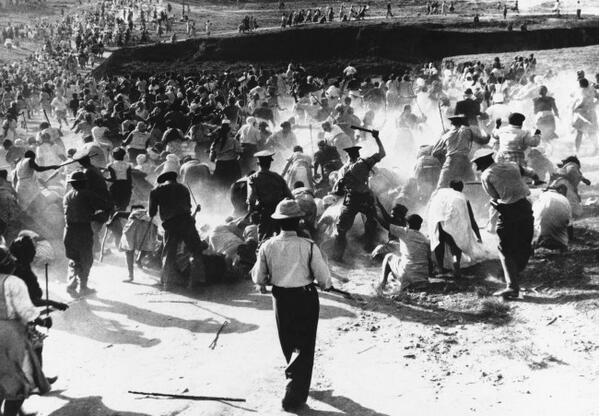
On 24 January 1960, Laurie Bloomfield, a photographer for the Daily News took a picture of rioting in Cato Manor, Durban, which was immediately published around the world. The riots were sparked by the apartheid government’s attempt to forcibly remove black people from Cato Manor, an area inhabited by both Africans and Indians.
Bloomfield continued to be a part of the lives of newspaper readers in Durban for at least 45 years. He worked as a photographer for the Daily News, before moving on to become the pictures editor for the Daily News and Sunday Tribune. Bloomfield became the first person from outside Britain to be awarded the Encyclopaedia Britannica British Press Picture of the Year award in 1959.
Furthermore, nine policemen were killed by an angry mob at Cato Manor. The incident happened after a routine raid by police searching for illicit liquor. They were stoned and hacked to death. The police attempted to escape after they were ambushed, but were overpowered by the mob.
This is believed to be the highest number of policemen killed in a single incident. An emergency meeting was held in the House of Assembly where the Minister of Justice, Mr. Erasmus, refused to appoint a judicial commission of inquiry into the rioting. The incident happened a few weeks before the Sharpeville massacre, where 69 people were killed and scores left injured.
Credit: South African History Online
Compiled by: Trishana Ramphal